Why today matters for SEO and web performance teams
Ecommerce SEO and web performance teams face a rapidly changing landscape in 2026. From Google Discover’s new Search profiles to Merchant Center automation and the growing influence of AI-powered tools like Microsoft Copilot, staying ahead means adapting to new opportunities and challenges. Here’s what’s shaping the industry today.
---
Google Discover introduces Search profiles
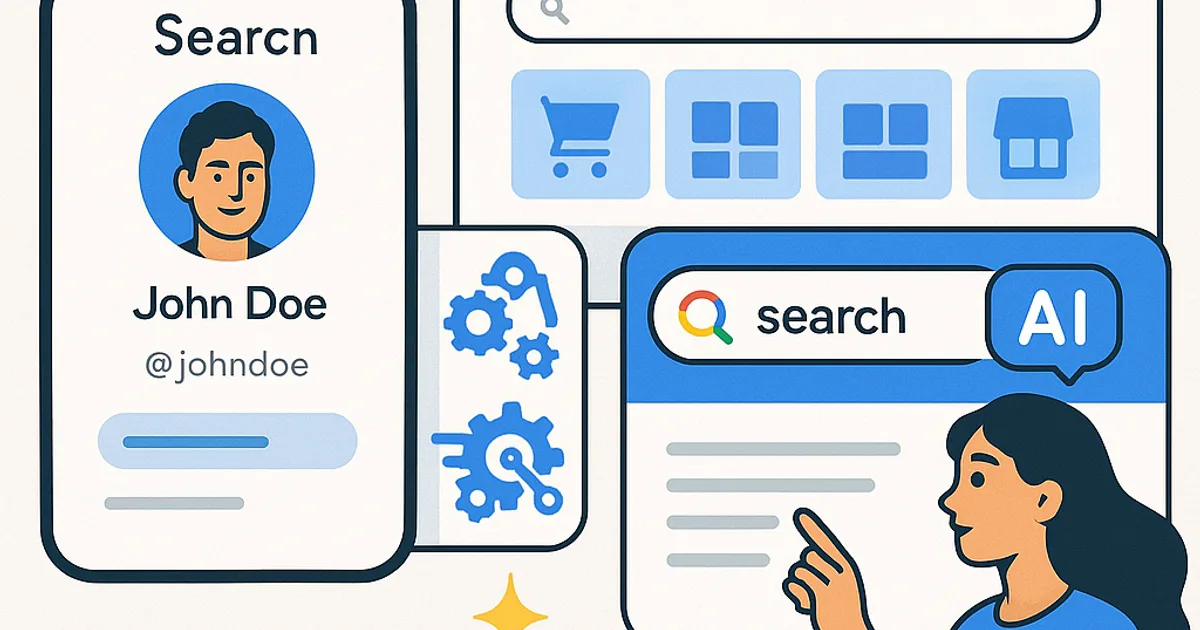
Google has rolled out Search profiles within Google Discover, creating enhanced publisher landing pages. These profiles allow users to follow publishers and access their latest articles, videos, and social posts in one place. This feature aims to improve visibility for trusted publishers while making content discovery more seamless for users [1].
For publishers, this means a greater emphasis on building a recognizable and engaging brand presence. Search profiles provide an opportunity to consolidate content across formats, potentially increasing user retention and repeat visits.
What this means for your stack: Ensure your content is optimized for Discover by prioritizing quality, relevancy, and consistency across articles, videos, and other formats.
---
Merchant Center expands attribute rules for automation
Google Merchant Center has expanded its attribute rules to include products automatically found by Google. Previously, these rules only applied to manually uploaded products via merchant feeds. Now, businesses can apply attribute rules to any product Google identifies and adds to their Merchant Center accounts [5].
This update simplifies the management of large product catalogs, particularly for ecommerce sites with dynamically changing inventories. It also underscores the importance of maintaining accurate schema markup and structured data to ensure Google identifies products correctly.
What this means for your stack: Audit your product data and schema markup to ensure compatibility with Google’s automated product discovery.
---
AI reshaping SEO visibility: Microsoft Copilot’s reach
Microsoft’s Copilot, integrated into Windows, Edge, Bing, and Microsoft 365, now serves a significant number of users, with millions interacting with Copilot-powered features [4]. This highlights the growing importance of AI-driven tools in shaping search visibility and user behavior.
For SEO teams, this trend introduces new challenges: how to ensure brands are cited accurately in AI-driven answers and how to optimize for visibility in an increasingly AI-first search ecosystem. MozCon NYC 2026 will address these topics, featuring speakers focused on AI search and brand discoverability [3].
What this means for your stack: Begin testing how your content performs in AI-generated answers and prioritize structured, authoritative content to improve AI citations.
---
Core updates and unconfirmed Google algorithm changes
The Google May 2026 core update has been the focus of SEO discussions, with ongoing analysis of its impact on rankings. Additionally, several unconfirmed updates have been reported, signaling that Google’s search algorithms remain in flux [6].
For ecommerce sites, core updates often highlight the importance of aligning with Google’s evolving quality standards. Key areas of focus include Core Web Vitals, content relevance, and mobile usability.
What this means for your stack: Monitor your site’s performance metrics and traffic patterns closely to identify potential impacts from recent updates.
---
What publishers can learn from top Copilot citations
A new analysis of the most-cited websites in Microsoft Copilot reveals patterns in how authoritative content is selected for AI-driven answers. While the full list is proprietary, the findings emphasize the importance of domain authority, structured data, and clear, concise content [4].
For publishers, this underscores the need to focus on building trust and authority in their niche. AI systems prioritize sources with a proven track record of reliability and relevance.
What this means for your stack: Invest in improving your site’s EEAT (Experience, Expertise, Authoritativeness, Trustworthiness) signals to increase your chances of being cited by AI systems.
---
Sources
---
Authored by the ControlVitals Editorial Team — performance and SEO practitioners auditing real production sites every day.
Editorial transparency: this article was researched and drafted with AI assistance, then reviewed by our editorial team for factual accuracy before publication.